
In Gori, there are almost no traffic lights. No center lines. Almost no traffic police. Which means the concept of “jaywalking” barely exists here— dogs, kids, grandparents just cross the street whenever they want. Drivers automatically slow down for them. There’s no need to bow or say thank you like in Korea. The road doesn’t belong to cars alone. You just walk, slowly, and the city breathes with you.

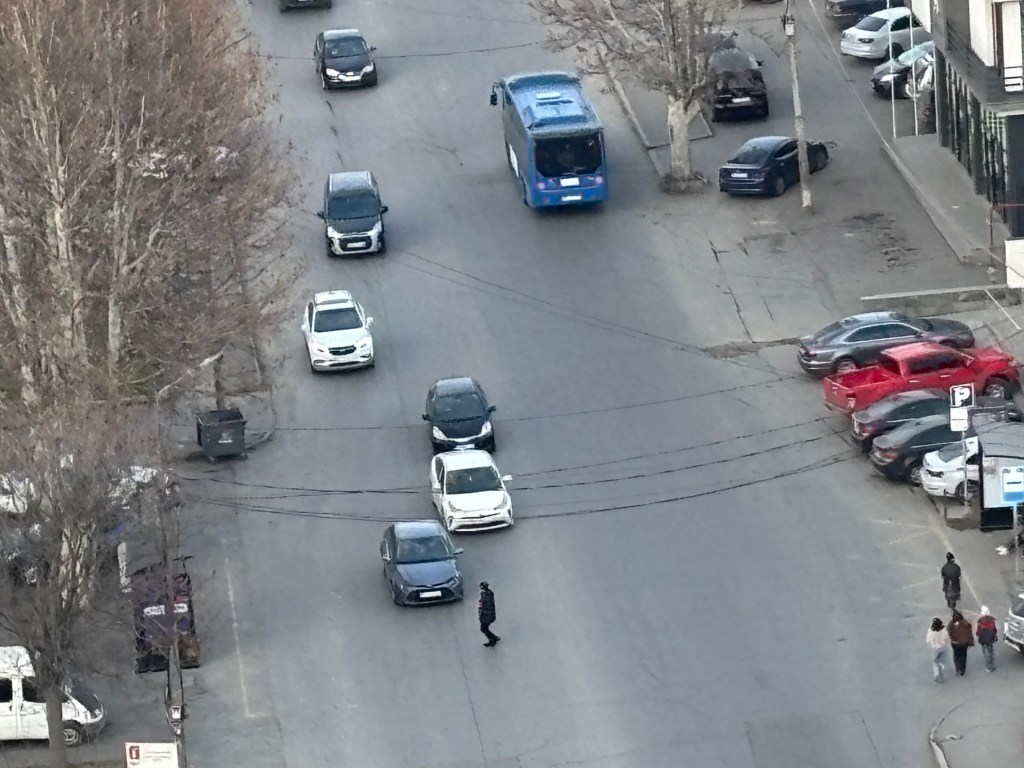
(Photo: Looking down from Gori Fortress toward Gori Mall — a woman casually crossing the road)
And here’s the funny paradox: When traffic lights disappear, drivers begin respecting people more. It’s traffic lights that make you see people as obstacles. Coercive order is the real problem.
Gori’s roads are rough and uneven. If you floor the gas, your suspension dies. So everyone drives slow—naturally. (I broke one wheel of my suitcase because it hit dried dog shit and stone.)
Seoul? The roads are perfect. You want to floor it. But you can’t. Cameras, cops, and reporting apps stop you every minute. Because regulations and oppression are so severe, paradoxically, people speed up more urgently in times or places where the police are not visible. This increases the risk of accidents. When they return to where the police are visible, they get trapped in a terrible stop-and-go traffic game, which triggers a psychological desire for compensation.
Here’s what shocked me the most: no honking, no speeding. Zero external control— yet the system self-regulates. Think about Seoul navigation: Your phone screams camera warnings every five minutes. Insane stress. And those section-speed cameras? They cling to you like gum. In the city, hundreds of traffic lights flicker—the entire flow of movement follows their rhythm.
Gori is a small city. There’s nowhere to rush to—except the market. Not many jobs. Speed has no meaning here. No dark window tinting culture. No speeding tickets. No parking enforcement. People just look out for each other. You cannot hide behind tinted windows. You are seen. Human to human. In Seoul, you read turn signals — mechanical signals — and curse. In Gori, you read eyes and hand gestures. In that world, middle fingers and profanity cannot survive. This is because people can see each other’s faces clearly. This phenomenon is consistent with findings in criminal sociology showing that crime, hate, and violence occur more frequently in highly anonymous environments. But there is one place in Gori where you hear honking and see speeding: in front of Gori City Hall. Why? It’s a four-way intersection and it has traffic lights.

(Photo: Gori City Hall traffic lights)
And it made me wonder:
Maybe cities don’t bend to humans. Maybe humans bend to the rhythm of cities.
Traffic lights are metronomes. And we obey. The light warns you it will soon turn red. So you yell at the guy looking at his phone, slam the horn, curse him out.
Back in grad school, an Indian engineer once asked me: “Why are Koreans so angry?” Now I finally know the answer. They are angry because their natural flow and freedom are being artificially regulated. When the ‘right answers’ in our own minds and those of others cannot align naturally, and instead people are judged solely by the law, we end up condemning others simply as lawbreakers. We brag about civilization. But what if we’re just livestock inside a giant enclosure, moving in sync with a mechanical metronome? I don’t remember that guy’s name anymore— but here’s the truth:
Koreans aren’t naturally angry. Traffic lights make them angry.
Bonus
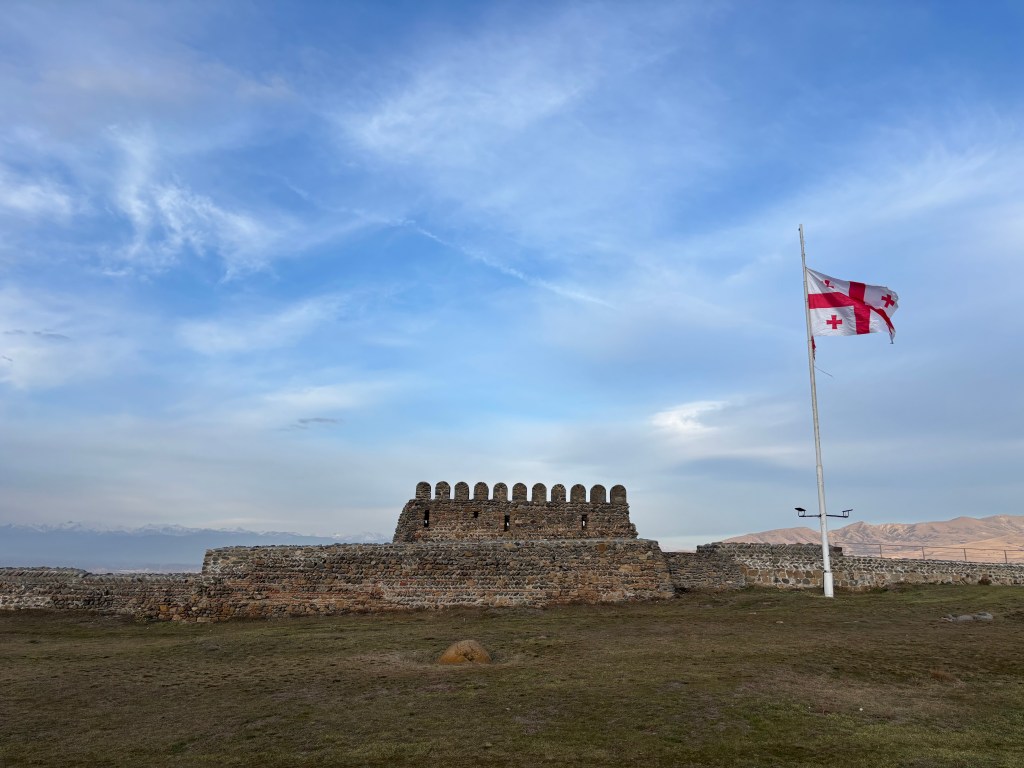
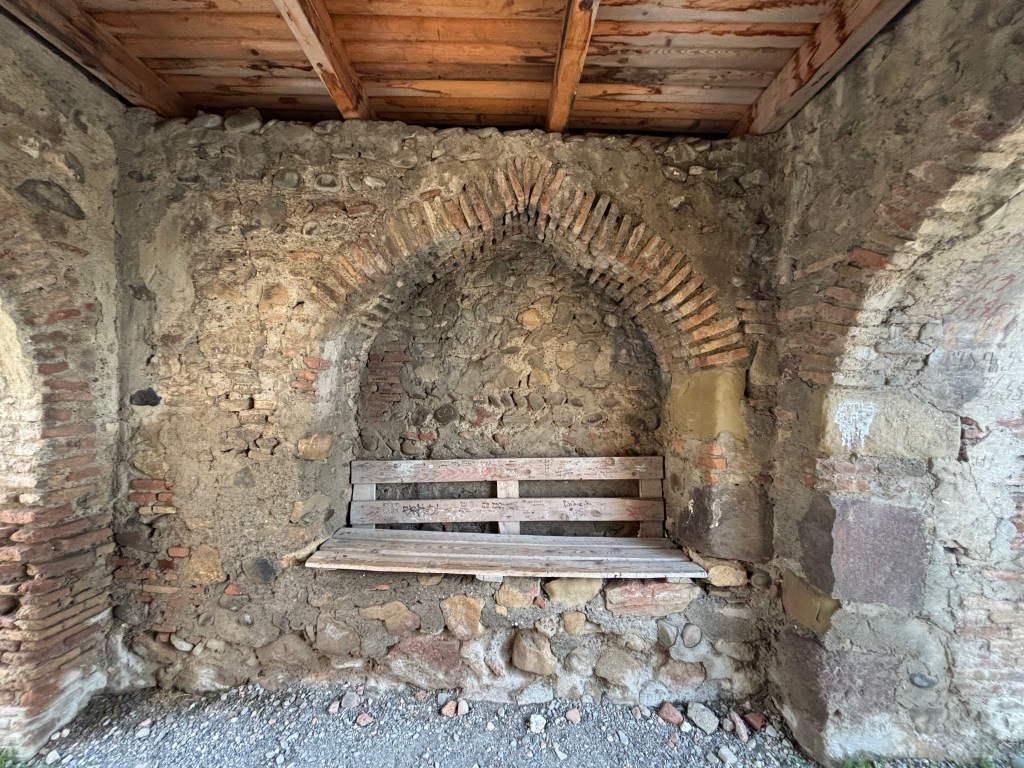
(Photo: View from Gori Fortress)
Related articles for the vitality created by laissez-faire;
- 🇬🇪 The Dancing Milk Prices: Why a “Weak” Government Makes Us Happier (Field Report)
- 🇬🇪 Butchering the Paternal State: Why the “Wild Market” is the Only Cure for Old Age (Field Report)

If you enjoyed this article, you can support the project – thank you!